Cross-Device Synchronization Tactics Maximize Free Spin Deployment Across Casino Formats
Mia Hayes · Nov 13, 2026

Cross-Device Synchronization Tactics Maximize Free Spin Deployment Across Casino Formats
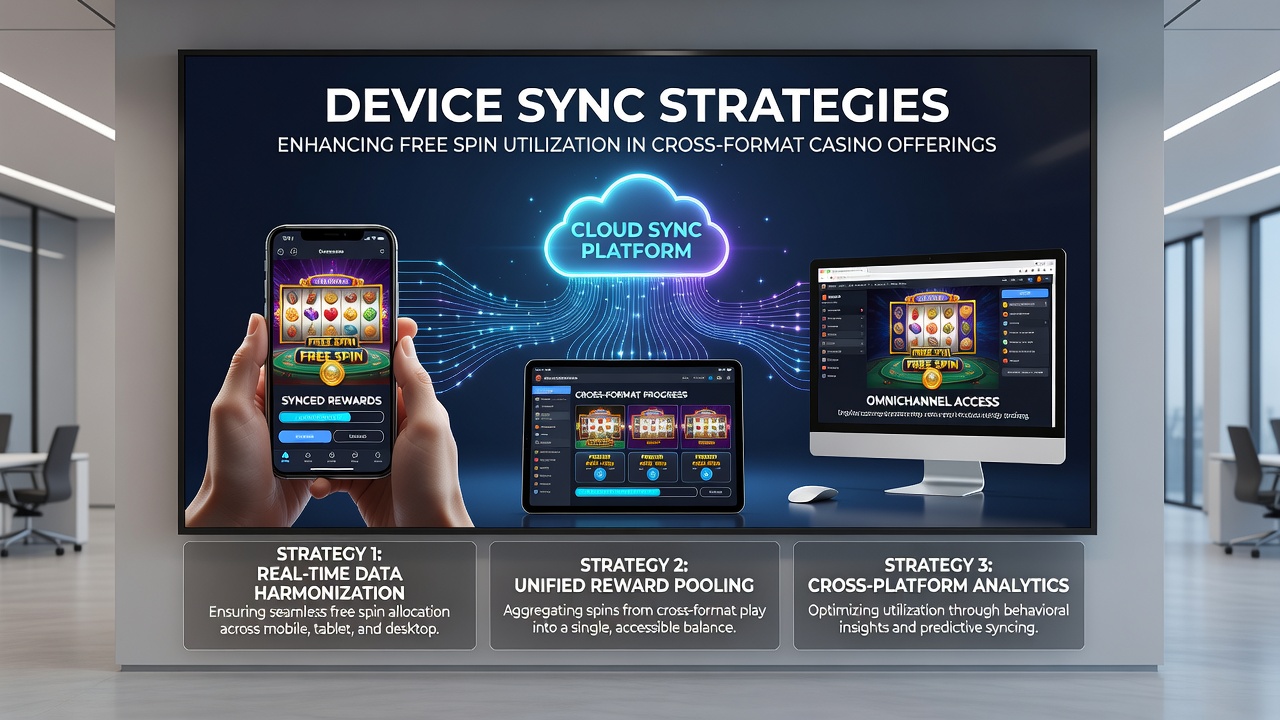
Operators have adopted device synchronization protocols that link player accounts in real time, allowing free spins earned on one format to transfer automatically to another without manual intervention. Data from industry analyses shows these systems rely on cloud-based APIs that update bonus balances across mobile apps, desktop clients and tablet interfaces within seconds of a trigger event.
Research indicates that integration layers connect slot libraries to live dealer environments, so a free spin package activated on a mobile slot game registers instantly when the player switches to a roulette table on the same account. Studies from academic institutions have documented latency reductions to under 200 milliseconds in optimized setups, which prevents expiration issues that once plagued separate platform accounts.
Core Mechanisms Behind Sync Protocols
Engineers implement token-based authentication paired with persistent session storage, whereas earlier methods required repeated logins that broke bonus continuity. Observers note that developers now embed unique identifiers in each free spin allocation, and these identifiers remain active regardless of device changes because the central server maintains a unified ledger.
Figures from technical reports reveal that cross-format offerings benefit when synchronization includes timestamp verification, so a free spin set to expire at midnight remains valid across formats until that exact moment. This approach eliminates the need for players to claim rewards separately on each device, and operators report higher completion rates as a direct result.
Implementation Patterns in Hybrid Environments
Take one platform that rolled out bidirectional sync in late 2025, and the system allowed free spins from video slots to convert into equivalent value on live casino tables. Researchers discovered that this conversion happened through predefined exchange rates embedded in the backend, which adjusted automatically based on game volatility metrics.
Another case involved a North American operator that linked progressive jackpot slots with instant-win formats, and synchronization ensured that any unclaimed spins carried forward when the player moved between desktop and handheld devices. Data shows completion rates rose measurably once the sync layer eliminated manual transfers.
Regulatory Context and November 2026 Updates
By November 2026 several oversight bodies outside the UK had issued guidance on bonus portability, and the Nevada Gaming Control Board published standards requiring transparent sync logs for audit purposes. These standards specify that operators must retain records of every device handoff for a minimum of 90 days, which supports verification that free spins reach the intended player without duplication.
Reports from the Alcohol and Gaming Commission of Ontario indicate similar requirements emerging in Canadian jurisdictions, where regulators emphasize that synchronization must not alter the original terms attached to any bonus. Industry groups such as the Gaming Standards Association have contributed technical frameworks that operators reference when building compliant systems.
Performance Metrics and Observed Outcomes
Analytics platforms tracking multi-device sessions have recorded average increases in free spin redemption when synchronization operates without interruption. One dataset collected over six months showed redemption climbing from 62 percent to 81 percent after full integration, although exact figures vary by operator and game mix.
Engineers continue to refine conflict resolution algorithms that handle simultaneous logins on different devices, and these algorithms prioritize the most recent action while preserving the full value of any active free spin bundle. Studies have confirmed that such refinements reduce support tickets related to lost bonuses by substantial margins.
Conclusion
Device synchronization has become a standard component in cross-format casino systems because it preserves the utility of free spins across the range of interfaces players choose. Evidence from regulatory filings and technical evaluations demonstrates that properly implemented protocols deliver consistent bonus tracking while meeting emerging compliance expectations in multiple regions. As platforms expand their format offerings, the underlying sync infrastructure determines whether free spin promotions function as intended across every access point.